LithiumHub Amazon Case Study: Lithium Battery Compliance, Merchandising, and Growth for the Ionic Brand
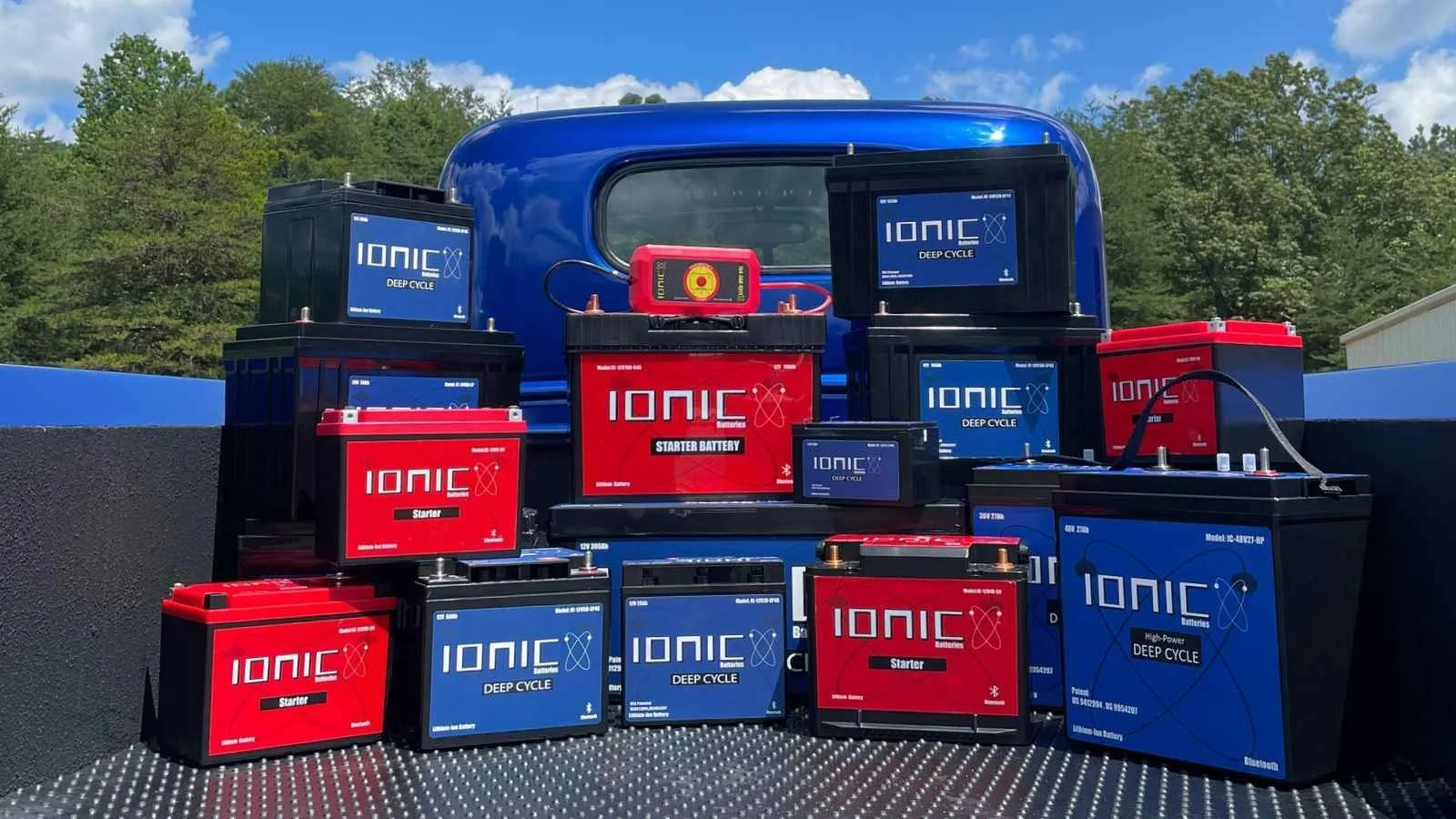
This case study is about how Goat Consulting helped LithiumHub, the maker of Ionic lithium iron phosphate (LiFePO4) batteries, sell on Amazon while working through the compliance requirements that come with one of the most closely regulated product types on the marketplace. LithiumHub makes batteries for boats, trolling motors, RVs, golf carts, and solar setups, along with the Ionic GenBox line of portable power stations. Lithium batteries are regulated as dangerous goods in transport, so every product in the catalog carries documentation requirements most Amazon sellers never have to think about. Getting that documentation right keeps battery listings available to customers, and it keeps those customers safe.
Here's the short version. When LithiumHub received a policy compliance notification from Amazon, we researched the documentation each product needed, brought in third-party testing labs for expert opinions and quotes, and shared Amazon's policy documentation with the LithiumHub team product by product. Alongside the compliance work, we updated merchandising, built and optimized Amazon Ads campaigns, and set up merchant fulfillment to deliver orders quickly and on time.
About LithiumHub and the Ionic Brand
LithiumHub builds Ionic lithium iron phosphate batteries as a lighter, lower-maintenance alternative to traditional lead-acid batteries. LithiumHub positions Ionic batteries as 50 percent lighter, zero maintenance, twice the power, and five times faster to charge, and it backs them with 100 percent US-based support. Ionic batteries also feature Bluetooth monitoring, so owners can check battery status from their phone.
LithiumHub sells direct to consumers and through a dealer program instead of through layers of middlemen, which lets it offer quality batteries at lower prices. Founded in 2018 and based in Norris, South Carolina, the company describes its mission as putting reliable, safe, portable power in customers' hands. Those value propositions, including weight, maintenance, charging speed, warranty, and monitoring, are what a customer weighs when comparing batteries on Amazon, and they shaped how we approached the listings.
Our engagement started with Ionic batteries and accessories, then expanded to the Ionic GenBox power stations. Each product line brought its own merchandising, advertising, and compliance questions, and the compliance questions shaped the rest of the account.
Why Lithium Batteries Face Extra Scrutiny on Amazon
Lithium batteries are classified as dangerous goods for shipping, so Amazon asks for more information about them than it does for most products. A damaged, defective, or poorly packed lithium battery can overheat or catch fire, and that risk exists in a warehouse, on a delivery truck, and in a customer's garage.
The rules start with federal transport regulations. The Pipeline and Hazardous Materials Safety Administration requires lithium cells and batteries offered for transport to pass the design tests in Section 38.3 of the United Nations Manual of Tests and Criteria, and it requires manufacturers to make a test summary available on request. Amazon builds on those rules with its own dangerous goods review, which uses the product's documentation and battery details like battery type, weight, number of cells, watt-hours, and lithium content to decide how the product can be sold and shipped.
In our experience, a battery listing that's missing a document, or has a document that doesn't match the product, is where compliance problems start. That's why lithium battery compliance is a core part of our Amazon compliance services, alongside the policy work we've done for other regulated products, like the AED training devices in our WNL Products case study.
Amazon has also tightened who can provide that documentation. Its updated lithium battery policy adds third-party testing, inspection, and certification requirements. Sellers now have to work with a certified compliance partner from Amazon's approved list, and that partner submits the compliance documents directly to Amazon. Sellers are no longer able to upload their own documentation, even if the reports are from a reputable lab. Instead, they need to send the documentation to one of the partnered labs for verification. The lab will review the documents and upload them directly to Amazon on behalf of the seller.
Responding to an Amazon Policy Compliance Notification
Product policy compliance is at the root of selling on Amazon. Instead of guessing at a fix, we did the research to understand exactly what each product needed, got expert input where the answer depended on testing, and made sure the LithiumHub team understood Amazon's requirements in Amazon's own words.
Understanding the Products Before Recommending Documents
Before recommending any document, we took the time to understand the products themselves, including the battery chemistry, how each product is used, and which features, like Bluetooth monitoring, bring additional regulations into play. A trolling motor battery, a battery charger, and a portable power station don't raise the same compliance questions, and a documentation plan that treats them the same will either miss a requirement or ask the client to pay for testing they don't need.
The Documentation Lithium Battery Products Need
Lithium battery products on Amazon typically involve several documents and reviews, and each one answers a different question about the product. We walked LithiumHub through each of them and which products in the catalog they applied to.
| Document or review | What it shows | When it applies |
|---|---|---|
| UN 38.3 test summary | The battery design passed the United Nations transport tests for lithium cells and batteries. | Lithium batteries and products that contain them. |
| Safety data sheet | A standardized 16-section document covering the product's hazards, handling, storage, and emergency measures. | Products Amazon reviews as potential dangerous goods. It should be current and match the listing. |
| Battery exemption sheet | The battery product qualifies for an exemption from the safety data sheet requirement. | Some battery products, in place of a safety data sheet. |
| Dangerous goods (hazmat) review | Amazon's classification of the product, based on its documents and battery details. | Listings Amazon flags as potential dangerous goods, including lithium batteries. |
| FCC equipment authorization | The device meets Federal Communications Commission rules for radio frequency devices. | Products with wireless features, such as Bluetooth battery monitoring. |
The FCC requirement is easy to overlook because it has nothing to do with the battery chemistry. A Bluetooth-enabled battery is also a radio frequency device, and the FCC requires radio frequency devices to be approved through the appropriate equipment authorization procedure before they can be marketed or imported in the United States. Amazon also requires listings for radio-enabled devices to include FCC radio frequency compliance information, and it has removed listings that were missing it, which we cover in our post on Amazon's FCC radio frequency compliance policy. For a brand like LithiumHub that sells Bluetooth models, the compliance picture covers both the battery and the electronics inside it.
Bringing In Third-Party Testing Labs for Expert Opinions
Where the answer depended on testing expertise, we reached out to third-party testing labs and compliance companies for expert opinions on what each product required. We then worked with those companies to generate quotes for LithiumHub, so the team could see the scope of each piece of testing and documentation and plan the work around their business.
Sharing Amazon's Policy Documentation Product by Product
We shared Amazon's policy documentation for each applicable product, so the LithiumHub team could read each requirement as Amazon states it, alongside our explanation of what it meant for their catalog. Compliance for a catalog of lithium batteries and power stations isn't a one-time project. Amazon updates its requirements, new products bring new questions, and documentation has to stay current, so this work continues as the catalog grows. For sellers dealing with the same review, our guide on how to fix hazmat or dangerous goods issues on Amazon walks through how Amazon classifies these products and what to do when a listing is flagged, and our post on Amazon refrigerant questions shows how the same dangerous goods review plays out for a completely different product type.
Merchandising That Shows Batteries Where They're Used
Alongside the compliance work, we updated LithiumHub's merchandising so customers could quickly understand which battery fits their use and why Ionic is the right choice. Lithium batteries are a technical purchase, and the customer who picks the wrong one is the customer who returns it.
Lifestyle Images Built With Amazon's Image Generator
A battery photographed on a white background doesn't tell a customer much about where it goes. We used Image generator, the generative AI tool in the Amazon Ads console, to create images that put each battery in the environment it's used in, such as a marine battery on a boat or a dock. We used these images in A+ Content, the listing image carousel, and ads. Our approach with AI imagery, which we cover in our post on Amazon's new rule for AI-generated images, is to use AI for the setting and keep the product itself accurate.
Listing Copy Written for Alexa for Shopping
In May 2026, Amazon introduced Alexa for Shopping, which combines the product expertise of Rufus with the personalized knowledge of Alexa+. It fundamentally changed the search results page Amazon has historically used, and it generates AI overviews in search results and on product pages. We updated LithiumHub's listing copy so Ionic products are better positioned to surface in the personalized shopping insights Alexa for Shopping gives customers, such as a shopper asking for the right battery for a boat, an RV, or a golf cart. We paired this with our product and market research process using Amazon's Product Opportunity Explorer to make sure we were marketing the products the right way.
A+ Content Comparison Charts
LithiumHub offers batteries across many applications, which can make choosing the right one harder than it should be. We used A+ Content, the enhanced brand content available to brand owners, to build comparison charts that let customers compare listings side by side and pick the right battery without leaving Amazon.
Key Product Details
We added key product details to the listings to help customers understand the product before they buy. Clear, accurate product details also support the compliance side of the account, because the information on a listing should match the product's safety documentation. Those details also help Alexa for Shopping and Amazon's other AI shopping tools surface the right product, because Amazon's systems know exactly what kind of product LithiumHub is offering to customers.
Coupons and Sale Prices
We ran promotions, including coupons and sale prices, to give customers an added reason to choose Ionic when comparing batteries, and the better offer increased the conversion rate on LithiumHub's listings. A coupon adds a visible savings callout in search results and on the product page, and a sale price shows the customer the discount against the regular price, so the deal is visible before the customer clicks and again while they're deciding. We cover how to set these up in our post on how to use coupons on Amazon Seller Central.
A lithium battery is a purchase where customers often compare several brands before they buy. In our experience, a clear offer is often what tips that decision, and it makes advertising more efficient too, because every ad click lands on a listing that's more likely to convert.
Amazon Advertising Built Around Clear Goals
We set up and continue to optimize Sponsored Products, Sponsored Brands, and Sponsored Display campaigns for LithiumHub as part of our Amazon advertising services. Each campaign type does a different job: Sponsored Products puts individual listings in front of shoppers searching for batteries, Sponsored Brands builds awareness of the Ionic brand across the catalog, and Sponsored Display reaches shoppers on and off Amazon based on what they've viewed and bought. The campaigns have met the goals we set with LithiumHub for advertising cost of sales, total advertising cost of sales, and impressions. For more on how we organize campaigns, see our post on Amazon Ads campaign structure.
We also used Amazon Marketing Cloud, Amazon's privacy-safe clean room for advertising analysis, to build a specific audience for LithiumHub's campaigns. Audiences built in Amazon Marketing Cloud can be activated directly in sponsored ads, which lets campaigns reach a defined group of shoppers instead of relying only on keywords and product targeting.
Merchant Fulfillment for Hazmat Products
LithiumHub's products are merchant fulfilled, which means LithiumHub ships Amazon orders itself instead of sending inventory to Amazon's fulfillment centers. That's a direct result of the compliance picture, because Fulfillment by Amazon places limits on hazmat products like lithium batteries.
We set up merchant fulfillment shipping templates and settings so products go out by the fastest delivery method available while still meeting the delivery promise shown to customers. That promise matters. Amazon holds seller-fulfilled orders to an on-time delivery rate target of 90 percent, and since February 2026 it can deactivate the specific listings that contribute most to a low rate. LithiumHub's on-time delivery rate has stayed well above that target.
In Their Own Words
"Goat Consulting has provided invaluable expertise in helping us build a strong, professional presence on Amazon. They have successfully managed and optimized our product listings, as well as engineered high-converting Amazon Ads campaigns to exponentially increase our sales. Beyond protecting our account health, they have strategically navigated Amazon's strict compliance regulations to resolve complex policy barriers for our highly regulated products." - Gracie Jane, LithiumHub
Wrapping Up the LithiumHub Amazon Case Study
Goat Consulting is proud to work with LithiumHub and to help more Amazon customers find a better battery. Selling lithium batteries on Amazon comes with more compliance responsibility than most categories, and our work with LithiumHub shows how we approach it. We understand the product, get expert input from testing labs, put Amazon's requirements in front of the client product by product, and keep merchandising, advertising, and fulfillment moving at the same time. We continue to work with LithiumHub across the Ionic battery and GenBox power station catalog.
If you sell batteries, electronics, or other products that face dangerous goods or hazmat review on Amazon and you want help understanding what your catalog needs, please reach out through our Contact Us form.
Amazon's dangerous goods requirements and the regulations behind them change regularly, so confirm current requirements in Seller Central and with a qualified testing lab before acting. This case study is general information and isn't legal or regulatory advice.
About the Author
This post was written by Reed Thompson, the CEO at Goat Consulting. Reed helps lead the Goat Consulting team and their clients sell on Amazon by increasing sales, mitigating risk, reducing costs, and solving problems. Goat Consulting's compliance work covers regulated products like LithiumHub's lithium batteries, and it starts the same way every time, with understanding the product and the Amazon policy that applies to it. If you want help with Amazon lithium battery compliance or assistance with other aspects of selling on Amazon, please reach out through our Contact Us form.